Driving across borders in Africa offers a unique way to explore multiple countries on a single trip. From Kenya to Tanzania, Uganda to Rwanda, Tanzania to Zambia and Zimbabwe or Namibia to Botswana, a cross-border self-drive lets travelers experience different cultures, landscapes, and wildlife in one journey.
However, crossing borders with a rental car requires careful planning. Not all rental companies allow vehicles to leave the country of hire, and some may charge extra fees or require special permits. You also need to carry proper documentation, including your driver’s license, passport, vehicle papers, and insurance that covers multiple countries. Roads, traffic rules, and driving conditions can vary widely between countries, so preparation is key. By understanding the rules, obtaining the necessary permits, and choosing the right vehicle, travelers can enjoy a smooth and safe cross-border safari adventure, making the most of Africa’s incredible diversity.
Cross border refers to travel where tourists move from one country to another for leisure, adventure or business purposes. It involves crossing an international boundary and often includes planning for visas, customs, travel documents, and local regulations. For example, a traveler driving across East Africa travels through Kenya to Tanzania or visiting Uganda from Rwanda is engaging in cross-border tourism. This type of travel allows tourists to experience multiple countries, cultures, landscapes, and attractions in a single trip.
Key aspects of cross-border tourism include:
- Border procedures: Passport checks, visas, and customs.
- Transport arrangements: Vehicles or tours permitted for cross-border travel.
- Insurance and permits: Ensuring coverage are valid in all countries visited.
Essential Documentation for Cross-Border Travel
- Passport
A passport is the most important document for any cross-border travel. It proves your identity and nationality. Make sure your passport is valid for at least six months from the date of entry into the destination country, as many African countries require this. Check that your passport has enough blank pages for entry and exit stamps. Always carry your passport with you, and keep a digital or photocopy in case of loss or theft. For families, every traveller, including children, must have their own passport.
- Visa
A visa is a permission granted by a country to enter, stay, or travel through it. Some countries in Africa require visas for travellers from other nations, while others allow visa-free entry or visas on arrival. Check the entry requirements of the country you plan to visit. If a visa is needed, apply in advance or verify if it can be obtained at the border. Ensure your visa is valid for the duration of your stay and matches the purpose of your travel. Keep the visa with your passport at all times.
- Driver’s License
For self-drive travellers, a valid driver’s license is essential. If your license is from your home country, check whether it is accepted in the destination country. Some countries require an International Driving Permit (IDP) in addition to your national license. Carry both documents while driving across borders. Make sure your license is current and legible, and never lend it to another driver.
- Vehicle Documentation
When crossing borders with a vehicle, proper vehicle documents are crucial. If you are driving a rental car, confirm with the rental company whether cross-border travel is allowed. You may need additional paperwork, such as a cross-border permit or authorization letter. For your own vehicle, carry:
- Vehicle registration papers (proof of ownership)
- Insurance documents that cover multiple countries
These documents show that the vehicle is legal, insured, and safe for travel in the destination country. Some countries also require a temporary import permit for foreign vehicles.
- Travel and Health Insurance
Travel insurance is essential for all cross-border trips. Make sure your policy covers medical emergencies, accidents, and vehicle-related issues in all countries you plan to visit. Some African countries require proof of insurance at the border. For health safety, carry vaccination certificates if needed. For example, proof of yellow fever vaccination is often required when traveling between certain African countries.
- Customs and Immigration Documents
At border crossings, you may be asked to declare goods you are carrying. Some countries have limits on currency, electronics, or agricultural products. Carry:
- Customs declaration forms
- Receipts for high-value items
- Permits for firearms, drones, or restricted equipment, if applicable
Having these documents ready ensures smooth passage without unnecessary delays.
- Accommodation and Travel Itinerary
Some border officials may ask for proof of where you will stay or your travel plan. Carry:
- Hotel booking confirmations
- Safari or tour reservations
- Return or onward travel tickets
This information shows authorities that you have a legitimate plan and will not overstay in the country.
- Emergency Contacts and Copies
Always keep a list of emergency contacts, including your embassy, rental company, or tour operator. Make digital and physical copies of all important documents, including passport, visa, driver’s license, and insurance. Store copies separately from the originals in case of loss or theft.
Popular Cross-Border Routes from East to Southern Africa
- Kenya Cross-Border Routes: Kenya is a central hub for East African travel, with borders connecting to several neighbouring countries:
- Kenya to Tanzania: The main border posts are Namanga (near Amboseli National Park) and Isebania (near Lake Victoria). These are used by tourists heading to the Serengeti, Ngorongoro, or southern Tanzania. The roads are generally paved, and the border is busy but well-organized.
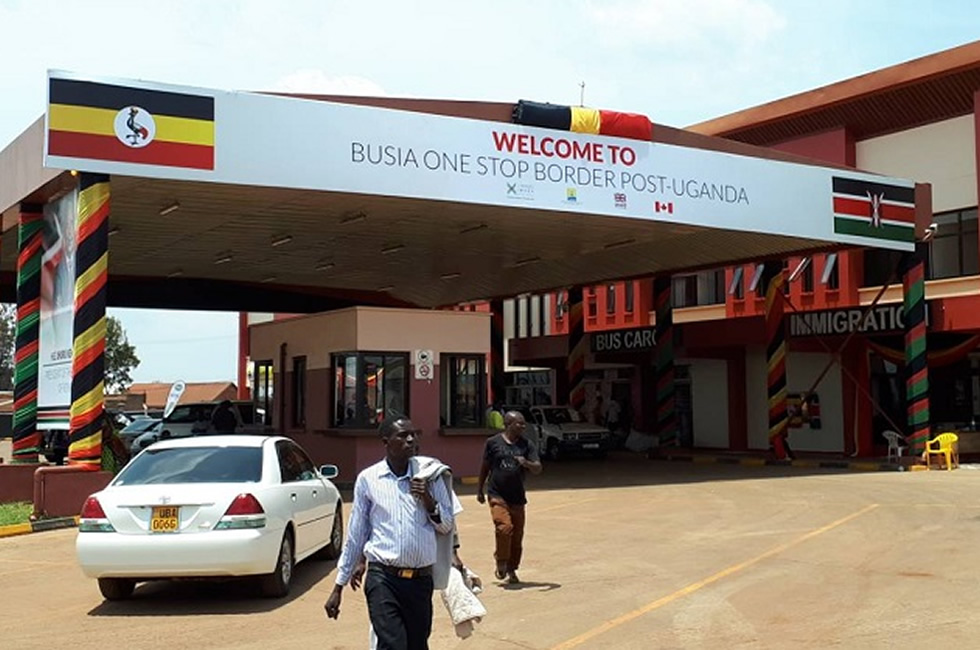
- Kenya to Uganda: Key border crossings include Malaba (on the main Kampala-Nairobi Road) and Busia. These routes are widely used for road trips or safaris to western Uganda or Murchison Falls National Park.
- Kenya to Rwanda: Travelers usually pass through Uganda first, then enter Rwanda via Katuna/Gatuna border.
- Tanzania Cross-Border Routes: Tanzania is a popular destination for safaris, and several borders allow travel to neighbouring countries:
- Tanzania to Kenya: Namanga and Isebania are the main crossings for safaris to Amboseli, Tsavo, or Nairobi.
- Tanzania to Uganda: Mutukula is the main border post for travellers going from Tanzania’s northwest (Kagera region) to Uganda’s southern region, often used for visits to Lake Victoria or Bwindi Forest.
- Tanzania to Rwanda: Rusumo border is the key route from northwestern Tanzania to Rwanda, often used by tourists heading to Kigali or Volcanoes National Park.
- Tanzania to Burundi: Kabanga is one of the main crossings from northwestern Tanzania to northern Burundi.
- Uganda Cross-Border Routes: Uganda shares borders with Kenya, Tanzania and Rwanda. Here are the border crossing points for travelers on self guided safaris in Uganda crossing to neighboring countries:
- Uganda to Kenya: Malaba and Busia are major border posts for travellers heading to Nairobi or Mombasa.
- Uganda to Tanzania: Mutukula is the main road crossing, connecting travellers to southern Tanzania and northern safari parks.
- Uganda to Rwanda: Gatuna/Katuna is the main crossing, often used by tourists traveling between Kigali and southwestern Uganda, including Bwindi and Lake Bunyonyi.
- Rwanda Cross-Border Routes: Rwanda is small but well-connected
- Rwanda to Uganda: Gatuna/Katuna is the busiest crossing, connecting Kigali to southern Uganda.
- Rwanda to Tanzania: Rusumo is the main route to northwestern Tanzania, often used by travellers going to Serengeti or Ngorongoro.
- Rwanda to Democratic Republic of Congo (DRC): Goma/ Rusizi border is the main crossing, mostly used for tourism to Volcanoes National Park or business travel.
- Southern Africa Crossings from Tanzania: Travelers moving from East Africa into Southern Africa usually pass through Tanzania’s southwestern borders toward Zambia, Malawi, and further south:
- Tanzania to Zambia: Tunduma/Nakonde border is the key route. It connects travellers to Lusaka and the Zambian safari circuit, including South Luangwa.
- Tanzania to Malawi: Songwe/Mwanza border links Tanzania to northern Malawi, providing access to Lake Malawi and surrounding safari destinations.
- Tanzania to Mozambique: Negomano or other smaller border posts in southern Tanzania allow entry into northern Mozambique, useful for overland travellers heading to coastal or safari areas.
- Southern Africa onward: Once in Zambia, travellers can continue south to Zimbabwe, Botswana, Namibia, and South Africa, using major overland corridors like Lusaka to Harare or Livingstone to Johannesburg.
Border Crossing Procedures
- Prepare Your Documents: Before reaching the border, make sure you have all the necessary documents. These usually include:
- Passport – valid for at least six months with blank pages for stamps.
- Visa – if required by the destination country. Some countries allow visa on arrival, others require pre-approval.
- Driver’s License – plus an International Driving Permit if needed.
- Vehicle Papers – registration, insurance valid for the destination country, and a cross-border permit if using a rental car.
- Travel Insurance – proof of medical coverage for emergencies.
- Health Documents – vaccination certificates, such as yellow fever, may be required.
Having all documents ready speeds up the border process.
- Approach the Border Post: When you arrive at the border, follow signs for immigration and customs. Stay in the correct lane for travellers with vehicles. Keep your documents handy for inspection. Border staff may ask questions about your travel purpose, duration of stay, and accommodation. Answer politely and clearly.
- Immigration Check: At immigration, your passport and visa (if required) will be checked. The officer may:
- Stamp your passport with entry or exit dates.
- Ask for proof of onward travel or return tickets.
- Record your personal details in the immigration system.
Always ensure the officer stamps your passport correctly and that dates are accurate. This stamp proves legal entry and is required when exiting the country.
- Vehicle and Customs Check: If you are traveling by car, proceed to customs. This step is important for:
- Checking vehicle documents – registration, insurance, and cross-border permit.
- Declaring goods – including large amounts of cash, electronics, or agricultural products.
- Inspection of luggage – to ensure prohibited items are not being brought into the country.
Customs officers may also ask for temporary import permits if using a foreign vehicle. Rental cars usually require an authorization letter from the rental company.
- Payment of Fees: Some borders require payment of entry fees, road tolls, or temporary vehicle permits. Have local currency or accepted payment methods ready to avoid delays. Keep receipts as proof, as you may need them when exiting the country.
- Health and Safety Checks: Many African borders require health checks, especially during disease outbreaks. This may include temperature screening or showing vaccination certificates. Some borders may also check for pests or plants in your luggage. Follow instructions carefully to avoid problems.
- Completing the Process: After immigration, customs, and any health checks, you are free to enter the country. Double-check your documents, ensure your vehicle papers are safe, and keep a record of all receipts. Once inside, drive carefully, follow local traffic rules, and enjoy your journey.
Conclusion
Crossing borders with a rental car in Africa can be an exciting and rewarding adventure, offering freedom to explore multiple countries at your own pace. However, it requires careful planning and preparation. Always check border requirements, get the right paperwork from your rental company, and confirm insurance coverage for all countries you plan to visit. Be patient at border posts and respect local regulations. With proper organization and awareness, cross-border self-driving in Africa becomes a smooth and unforgettable journey, allowing you to experience the continent’s diverse landscapes, cultures, and wildlife from behind the wheel.