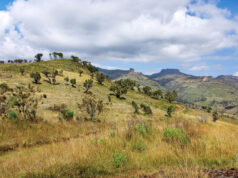
Rhinos reintroduced in Uganda marked a big win for conservation, and are back in Kidepo Valley National Park after being gone for over 40 years. Poachers wiped them out in the 1980s, but now these incredible animals are returning, ready to help bring the park’s ecosystem back to life. The Uganda Wildlife Authority is driving this push, trying to restore rhino populations wherever they vanished, and this moment says a lot about Uganda’s dedication to protecting wildlife and reviving biodiversity.
Why Were the Rhinos Extinct in Uganda?
- Poaching Crisis: The political environment of the 1980s led to the extinction of all the rhinos from Uganda’s national parks, including Kidepo, as poachers sought horns and meat.
- Population Loss: Uganda had a total of 700 rhinos, but all of them were lost due to poaching.
- Wild Extinction: In 1983, the rhino species became extinct.
- Conservation Gaps: The lack of effective anti-poaching activities, coupled with the insecurity of the Uganda-South Sudan border, led to the extinction of the rhino species.
How Are the Rhinos Being Reintroduced?
- Translocation: Two southern white rhinos were translocated from the Ziwa Rhino and Wildlife Ranch, located 100 km north of Kampala, in Nakasongola, to Kidepo Valley National Park.
- Future Plans: A total of eight rhinos are set to repopulate the park.
- Background of the Ranch: The Ziwa Rhino and Wildlife Ranch has been involved in the breeding of rhino species since 2005, when it acquired four southern white rhinos from Kenya.
- Role of the Wildlife Authority: The Uganda Wildlife Authority has taken a great step towards the conservation of Uganda’s heritage.
What Might Hinder Their Survival?
- Threat of Poaching: Despite stricter enforcement, illegal hunting is still a major threat to rhinos.
- Threat of Cross-Border Security: Kidepo is located next to South Sudan and areas with armed cattle thieves, presenting a risk to the species.
- Demand for Horns: Due to high demand in Asia for traditional medicine and as status symbols, rhino horns remain a targeted commodity.
- Conservation Resources: Continued monitoring, involvement with communities, and implementing anti-poaching programs must continue to be key components to ensure successful conservation.
Rhinos reintroduced in Uganda, which is a significant first step in helping to restore Uganda’s lost wildlife. Rhinos, as well as other global populations, continue to be threatened, and this highlights the need for an increase in conservation efforts and better sustainable wildlife management, showing how breeding programs, such as Ziwa Rhino Ranch, have the ability to reverse long-term extinction trends and serve as templates for reintroducing important species in other regions.