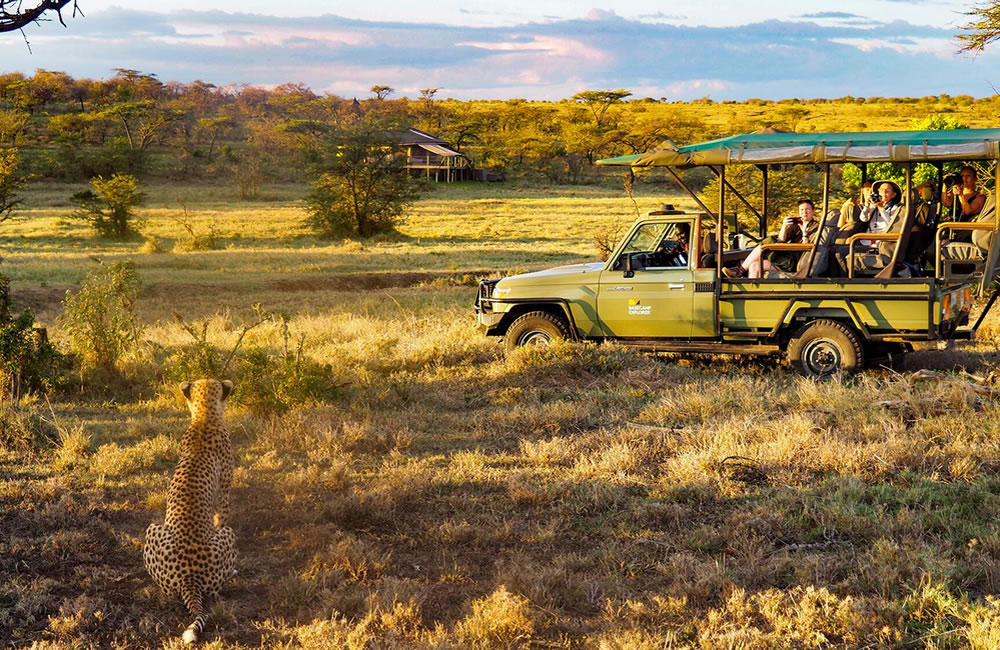
Planning the ideal Kenya safari requires thoughtful consideration of various factors to ensure a memorable and enriching experience. Kenya is a home to world-famous national parks such as the Masai Mara, Amboseli, and Tsavo, each offering incredible wildlife and unique landscapes. The ideal safari length depends on your travel style, budget, and what you want to experience.
A short safari of three to four days can give you a taste of Kenya’s big game, while a week or more allows time to visit multiple parks, see different ecosystems, and enjoy a more relaxed pace. If you are coming from overseas, adding a few extra days makes the long journey worthwhile. Whether you dream of watching the Great Migration, photographing elephants with Kilimanjaro as a backdrop, or combining wildlife with beach time, the length of your safari will shape your entire experience.
In this comprehensive guide, we will explore these factors and provide insights to help you determine the optimal duration for your Kenya safari adventure.
- How Much Time You Have Available
The first and most obvious factor is your overall travel schedule. If you are coming to Kenya from far away, you may want to spend more time on safari to make the long flight worthwhile.
- If you only have 3 to 4 days:
- Focus on just one park, such as the Masai Mara or Amboseli.
- You will have time for two or three game drives.
- Your trip will be fast-paced, but you’ll still see amazing wildlife.
- If you have 5 to 7 days:
- You can visit two or three parks.
- You will have time to see different landscapes savannah, lakes, and forests.
- The pace is balanced but still active.
- If you have 8 to 10 days:
- You can travel at a slower pace.
- You will have more time for photography, cultural visits, or even a day of rest.
- You can visit remote areas like Samburu or Tsavo without feeling rushed.
- If you have 11 to 14 days or more:
- You can explore Kenya deeply.
- Stay longer in each park, enjoy walking safaris or night drives, and even add a beach holiday in Diani, Watamu, or Lamu.
- This is perfect for honeymooners, photographers, or serious wildlife enthusiasts.
Insight: The more time you have, the more relaxed your safari will feel. If you are flying a long distance to Kenya, adding extra days makes your trip more rewarding.
- Which Parks You Want to Visit
Kenya has many national parks and reserves. Each park has its own unique wildlife and scenery. The number of parks you include will affect how long you need.
- Masai Mara National Reserve: Known for lions, cheetahs, leopards, and the Great Migration (July to October).
- Amboseli National Park: Famous for elephant herds with Mount Kilimanjaro in the background.
- Lake Nakuru National Park: Great for rhinos and birdlife.
- Samburu National Reserve: Home to rare species like Grevy’s zebra and reticulated giraffe.
- Tsavo East and Tsavo West: Vast, wild landscapes with fewer crowds.
- Your Travel Pace and Style
Some travellers love moving quickly to see as much as possible. Others prefer a slower pace, spending more time in fewer places.
- Fast-paced travel:
- You change parks almost every day or every two days.
- Good if you want to cover more ground in less time.
- Can feel tiring because of long drives.
- Relaxed travel:
- You spend three or more nights in one park.
- Gives you time to enjoy lodges, watch animals at your own pace, and avoid feeling rushed.
- Perfect for families or anyone who wants a peaceful holiday.
Insight:
If you prefer slow travel, add extra days to your safari. Staying longer in one park often leads to better wildlife sightings, because you can wait for rare moments instead of rushing to the next destination.
- Your Budget
Safari costs depend on park fees, accommodation, and transport. The longer your safari, the higher the total cost but the cost per day can be lower if you travel wisely.
- Short safaris (3 to 4 days):
- Lower overall cost.
- Often focus on one high-quality park.
- Can be expensive per day because flights or park fees are concentrated into a short period.
- Medium safaris (5 to 7 days):
- Balanced cost and experience.
- You can choose mid-range lodges or camps to save money.
- Long safaris (8 to 14 days):
- Higher overall cost but excellent value for the experience.
- You can mix luxury lodges with budget camps to manage expenses.
Insight:
If your budget is tight, choose fewer parks but spend more time in each rather than trying to visit many parks quickly. This reduces transport costs and still gives a great safari experience.
- Travel Distance Between Parks
Kenya is a big country, and some parks are far apart. If you are driving, you need to account for road time.
- Example: Nairobi to Masai Mara is about 5 to 6 hours by road.
- Example: Masai Mara to Amboseli can take 8 to 10 hours by road (or you can fly in 1 hour).
If you plan too many parks in a short time, you may spend more hours in the car than on safari.
Insight:
- If you are driving, plan at least two nights in each park to recover from travel time.
- If you are flying, you can save time but need a higher budget.
- The Time of Year You Visit
The season can also affect how long you should stay.
- Peak season (July to October):
- The Great Migration in Masai Mara draws big crowds.
- Wildlife viewing is excellent, but parks are busier.
- You may need extra days to enjoy quieter moments.
- Green season (November to May):
- Fewer tourists and lower prices.
- Lush landscapes and newborn animals.
- Roads may be muddy in some parks, slowing travel time.
Insight: If you visit during the busy migration season, staying longer allows you to avoid crowds by choosing different times of day for your game drives. In the green season, extra days give you flexibility if weather slows travel.
- Special Activities You Want to Include
A safari is not just game drives. Many parks offer extra experiences:
- Walking safaris – take a guided walk to see wildlife on foot.
- Cultural visits – meet local communities like the Maasai or Samburu.
- Hot air balloon rides – especially in Masai Mara at sunrise.
- Night drives – spot nocturnal animals not seen during the day.
- Beach extensions – spend a few days in Diani, Watamu, or Lamu after your safari.
Insight: Adding activities takes time. If you want to do more than game drives, plan at least 6 to 8 days to avoid rushing.
- Who You Are Traveling With
Your travel companions can also affect your safari duration.
- Families with children:
- May need shorter drives and more rest time.
- Consider fewer parks but more nights in each.
- Photographers: Often need extra days to wait for the perfect light or rare animal behaviour.
- Honeymooners or couples: May prefer longer stays in fewer locations for a romantic, relaxed feel.
Insight: Choose a pace and duration that match your group’s comfort level. Children or elderly travelers may enjoy longer stays in fewer places, while solo travelers can move faster if they wish.
- First-Time vs. Repeat Visitors
- First-time visitors to Kenya:
- Usually want to see the “Big Five” (lion, leopard, buffalo, elephant, rhino).
- A safari of 5 to 7 days in two or three parks is usually enough.
- Repeat visitors:
- May focus on specific regions like Samburu or Meru.
- Often choose longer safaris to explore less-visited parks.
Insight: First-timers can do shorter safaris to see highlights, while repeat travellers often plan longer adventures to explore remote areas.
In conclusion, the ideal duration for a Kenya safari varies depending on above factors. While there is no definitive answer, a safari duration of at least seven to ten days is recommended to fully immerse yourself in the natural wonders of Kenya and maximize your wildlife encounters. Ultimately, the key is to plan thoughtfully, seeking a balance between adventure, relaxation, and cultural enrichment to create lasting memories of your safari expedition in the heart of Africa.